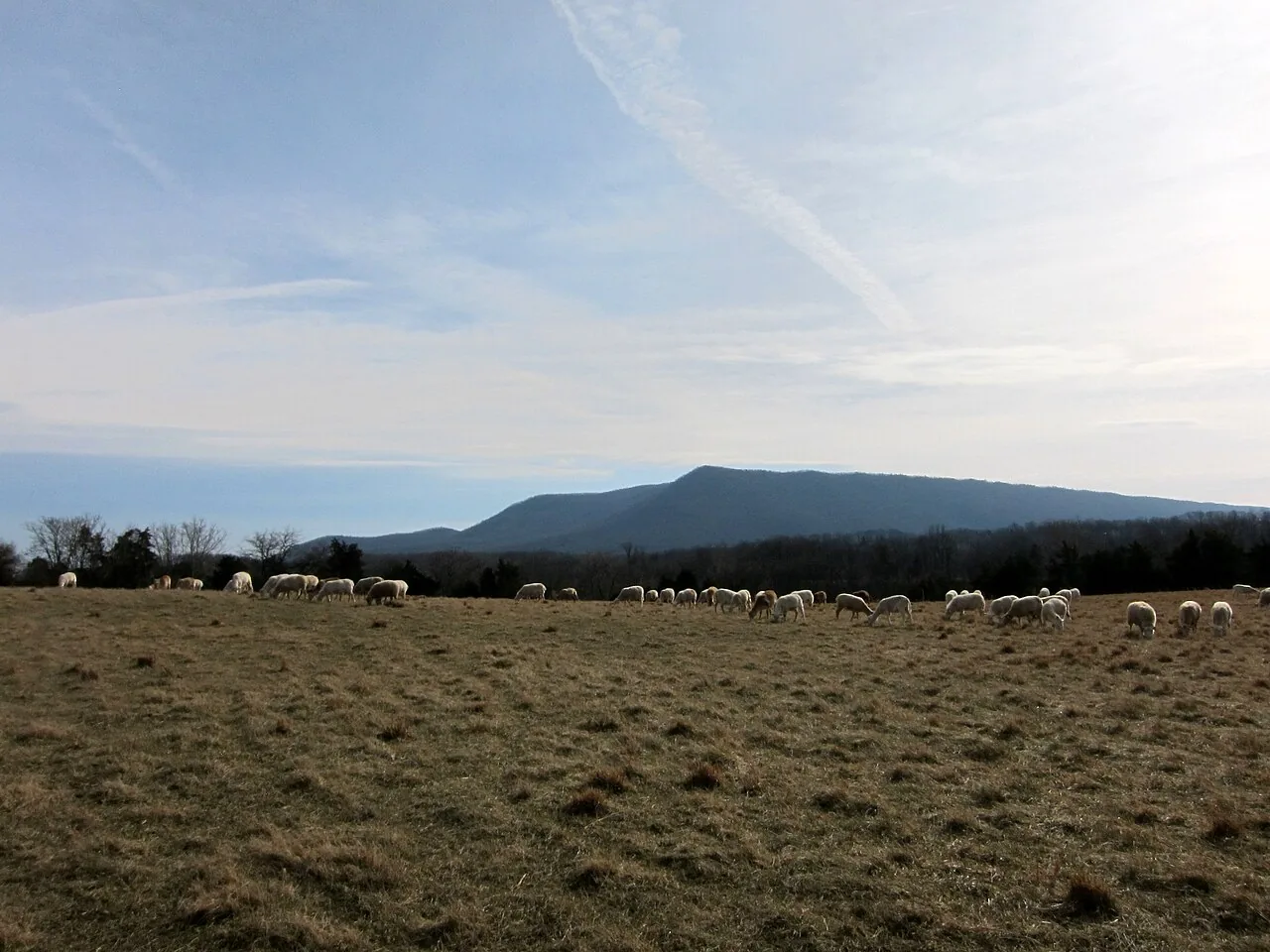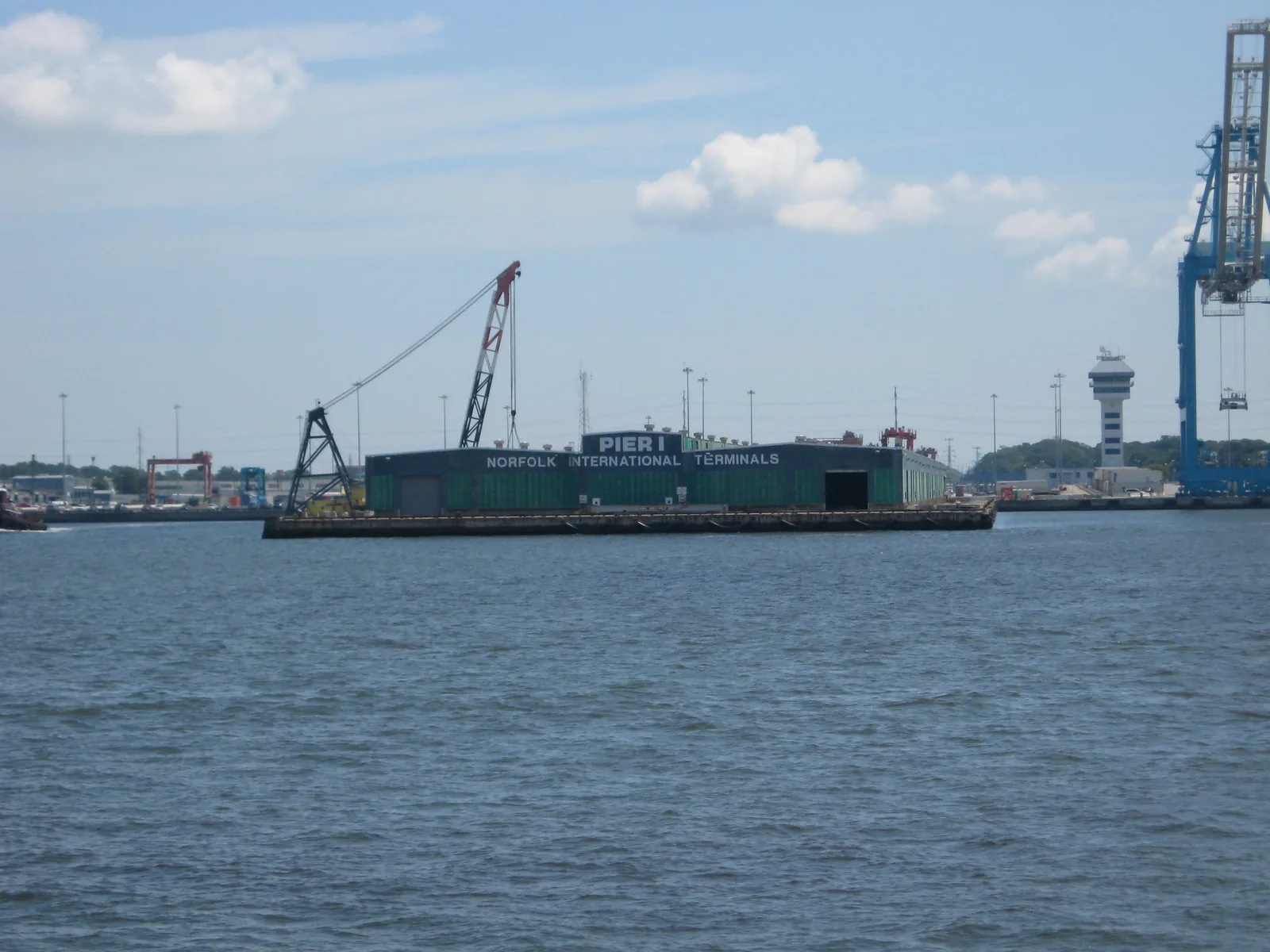
TGM Real Estate Investments, LLC is the umbrella for Gaskin’s Real Estate & Development industry group. The Family Farm and Jarratt / Owen Road are distinct project contexts within that group. This analysis examines how a shared advisory structure can support both without combining their governance, finances or development assumptions.
At a glance
- Use the industry umbrella to share expertise.
- Keep project authority and finances distinct.
- Approve the next phase against documented evidence.
The planning challenge: shared expertise, separate authority
An industry umbrella can organize knowledge, relationships and advisory support. It does not answer who may commit a particular property, approve a budget or decide how an asset is used. Those questions belong in the project record.
For the Family Farm, the starting point is family-led stewardship and its own governance and finances. For Jarratt / Owen Road, the starting point is a separate development opportunity with its own questions. Placing both within a real-estate industry group should help visitors understand the connection while preserving those distinctions.
Proposed first gate: a project brief
Prepare a brief for each initiative that identifies the objective, decision participants, known information and open questions. Describe what is being considered and what has not yet been agreed. A clear brief makes it easier to commission the right next piece of work.
The farm brief might organize stewardship priorities and the information needed for a family decision. The development brief might organize possible uses, access questions and the next feasibility review. These are suggested planning outputs; they do not imply that approvals, surveys or development permissions have been secured.
Proposed second gate: evidence before commitment
Keep a register of the information that could change the decision. Record its source, date, owner and status. Separate an observed condition from an assumption that still requires confirmation.
The GAO cost-estimating guide emphasizes documented scope, assumptions, data and uncertainty. Applied as a management principle here, that means a budget should identify what is known, what is provisional and what further work could change the estimate. Property-specific legal, survey, engineering and other technical questions need the relevant qualified professionals.
Proposed third gate: a bounded next phase
Define the next phase as a decision with an output, cost boundary and responsible person. A phase could gather information, compare alternatives or prepare an implementation plan. It should not silently authorize every later stage.
Keep separate project budgets and decision records even when some advisers or planning tools are shared. When an assumption changes, record the effect on that project’s timing, cost and purpose. This makes a pause or a change of direction an understandable management decision.
What this framework supports
The capability is the ability to connect project governance, cost visibility and coordinated planning. The common industry structure creates a home for that work; the project record preserves accountability.
The next useful output would be a pair of project briefs and evidence registers, followed by separately agreed scopes. This is a planning framework, with no claim of completed construction, project approval, investment return or a commissioned third-party engagement.