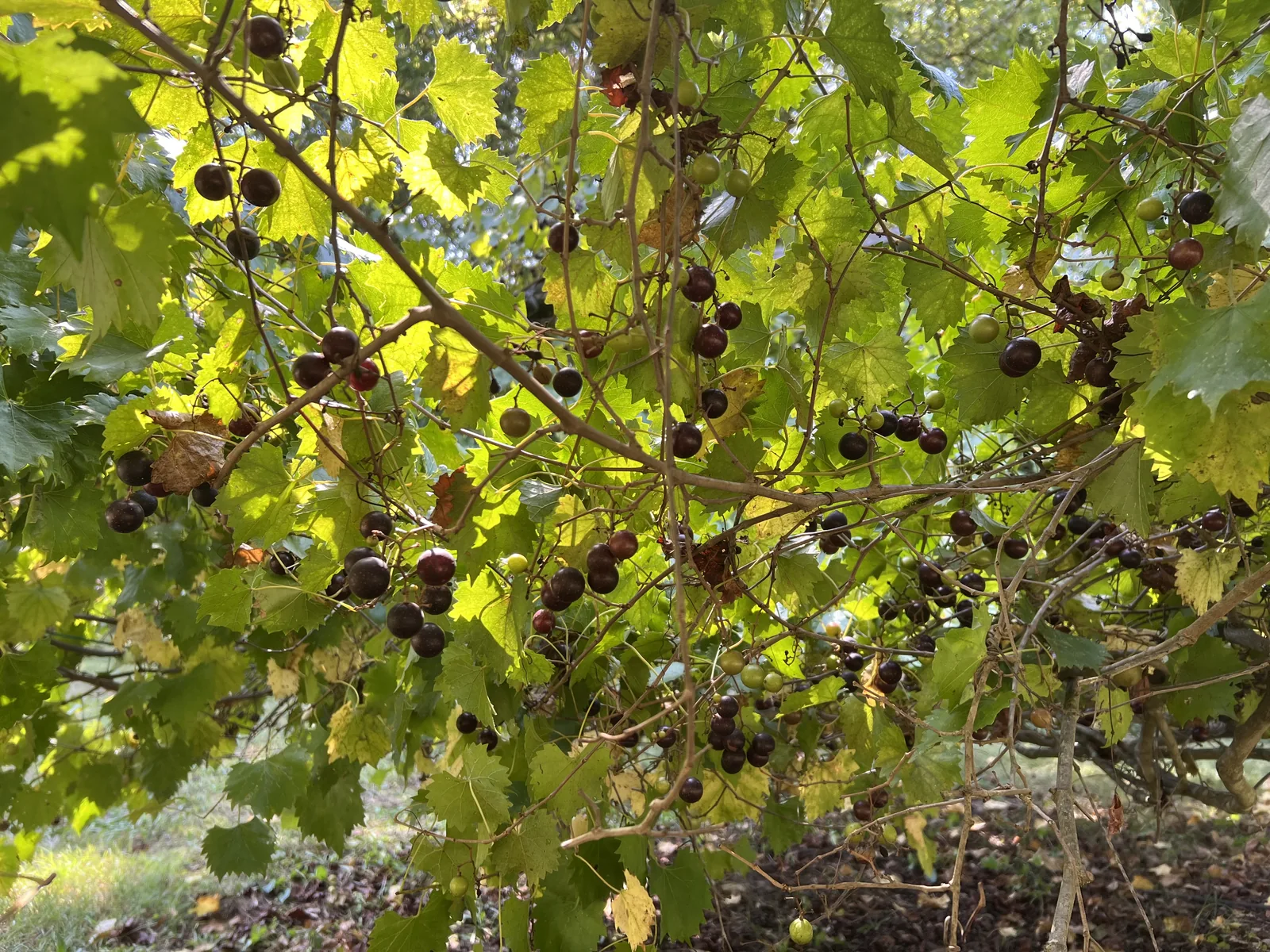
If a young cousin picked a ripe muscadine grape on our family’s land, who could tell them when it was ready? Who would remember a way to put up the fruit, and who might have a new idea for using it? That is the kind of afternoon I picture when relatives ask what we hope to do with the Carter-Jordan Restorative Black Heritage Farm. A muscadine planting is one idea on the table. The chance for those people to spend an afternoon together is the reason it matters to me.
What does Trace Taylor envision?
Trace Taylor, who signed on to help design the farm and coordinate the work, starts with the foods that grow wild or semi-wild in southern Virginia. Trace wants people to be able to grow and eat those foods close to home. In that vision, learning how to keep water in the soil through a dry spell belongs in the same lesson as learning what to plant. The farm could welcome children learning to recognize a plant, graduate students studying the soil and water, and Black rural entrepreneurs who need room to try an idea.
Think about what each person might ask of that same grapevine. A child wants to know whether the green grapes taste like the dark ones. A grower wants to know how the vine fared through a dry August. Someone who makes preserves wants to know whether enough fruit ripens at once to fill a batch of jars. Each question gives somebody else a reason to come back.
Why would we let a field grow for a whole season?
The family’s September plan proposed sowing native edible ground cover and wildflowers in November, then giving those areas the 2027 growing season to establish. It called for one fall cut, with the cuttings left where they fall. If you drove past in July and wondered why the field was tall, that would be the idea behind it. That was the proposed timetable. The first field update I’d like to share with relatives is which patches were seeded and what came up.
The pond raises a different question. Before choosing what to restore, we want to understand what is already living at the water’s edge. A relative who can visit occasionally could photograph the same patch of shoreline each season. Over time, even those of us who live far away could see where the water reaches and which plants return.
What could a child take home?
Imagine a family day a few years from now. An older cousin brings a grape preserves recipe and tells us who taught it to them. A child helps sort the fruit, sketches the leaf and writes down the cook’s own words. They go home with a recipe they can use and the name of the person who shared it. That is how I picture Black heritage living on here, in a skill somebody can practice and pass along. Family learning days, a nursery and space for growers are possibilities we can shape together.
What do you remember growing here?
That is the first question I’d love for each branch of the family to ask. If you have ten minutes, call someone who remembers the land. Ask what they picked, where it grew, or what they wish a younger cousin knew. If you have a photo or recipe, ask the person who shared it whether it can go into the family collection and who may see it. And if you’ve never set foot on the farm, bring the question you would ask on your first visit. That belongs in the conversation, too.